Uncovering the Bechtler Museum of Modern Art: A Guide to Contemporary Masterpieces
The Bechtler Museum of Modern Art remains a premier destination for those interested in contemporary art. Its impressive collection showcases masterpieces by celebrated artists including Picasso and Calder. The building's design, crafted by Mario Botta, enhances the artistic experience through its deliberate use of space and light. Present exhibitions deliver distinctive encounters that surpass standard artistic appreciation. As visitors explore these elements, they may wonder what other surprises await in this vibrant cultural hub.
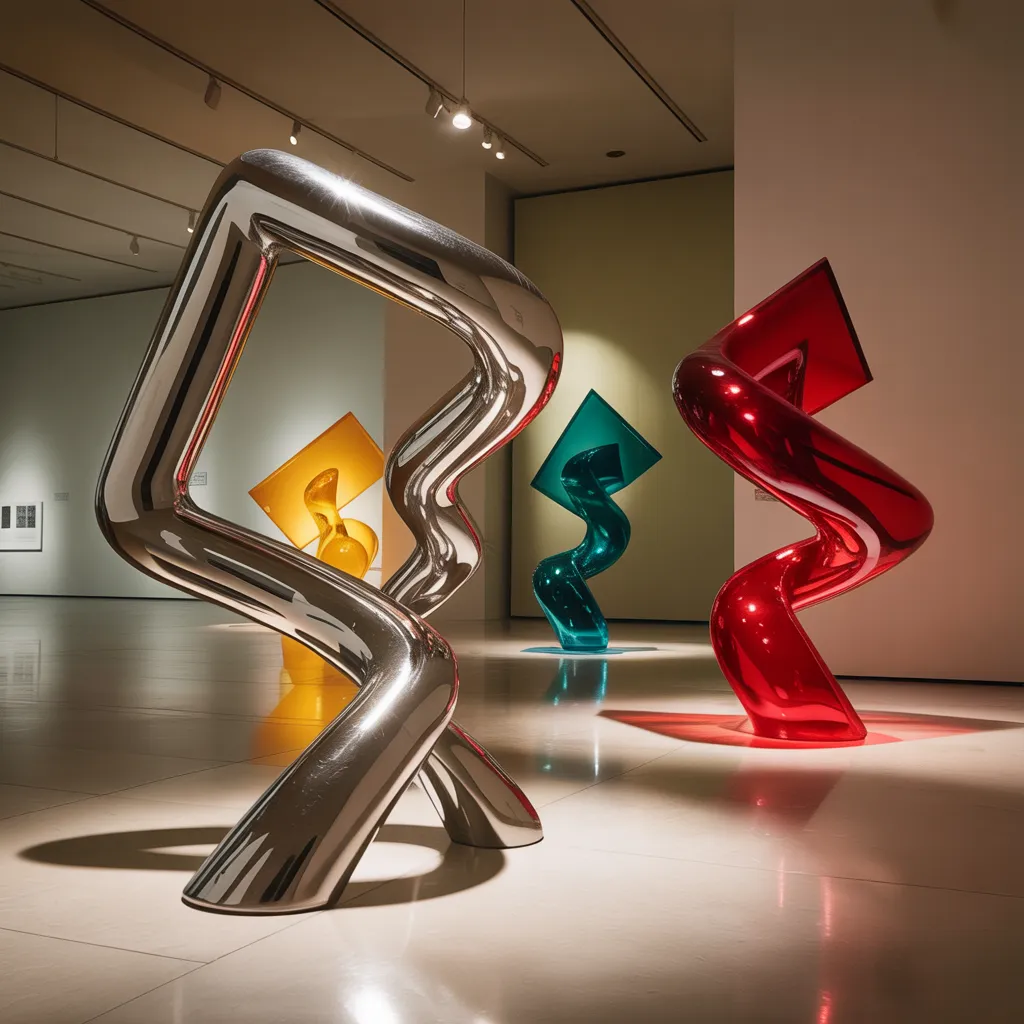
Discovering the Bechtler's Extraordinary Exhibits
The Bechtler Museum of Modern Art displays a remarkable collection that engages art aficionados and general visitors alike. Established by the Bechtler family, the museum features a wide variety of modern and contemporary artwork, emphasizing significant movements and styles. The collection includes significant works from the mid-20th century, offering insights into artistic innovation and expression during this transformative period.
Attendees can experience a variety of mediums, from paintings and sculptures to textiles and ceramics. The museum's thoughtfully curated exhibitions emphasize both the aesthetic and historical context of the artworks, fostering greater appreciation. Particularly, the Bechtler's commitment to education enriches the experience for visitors, with programs designed to foster appreciation for modern art. The museum's welcoming ambiance and breathtaking architecture add to the discovery of these extraordinary works, transforming every visit into an unforgettable adventure through the realm of modern artistic expression.
Celebrated Artists: Uncover Picasso, Calder, and Giacometti
Among the standout artists represented in the Bechtler Museum of Modern Art's collection are Pablo Picasso, Alexander Calder, and Alberto Giacometti. Every artist contributes a distinct viewpoint to modern art, demonstrating pioneering techniques and artistic styles. Picasso, renowned for his crucial role in the development of Cubism, challenges conventional forms and perspectives, encouraging audiences to perceive the world through fragmented realities. Calder, recognized for his inventive mobiles and fixed sculptures, blends artistic expression with movement, producing vibrant works that interact with their environment. Giacometti, with his elongated figures and existential themes, delves into the depths of the human condition, evoking a powerful sense of loneliness and contemplation. Collectively, these artists not only mirror the progression of modern art but also motivate future generations. Their creations within the Bechtler Museum act as a powerful tribute to artistic innovation, establishing the museum as a vital destination for those wishing to explore the intricacies of contemporary masterpieces.
Ongoing Exhibitions: Top Artworks and Installations
What remarkable offerings greet visitors at the Bechtler Museum of Modern Art's current exhibitions? The museum presents an impressive collection of modern works that engage both dedicated art lovers and first-time visitors. Among the highlights is an impressive selection of works by renowned modern artists, each piece reflecting unique perspectives and innovative techniques.
The displays encompass an artistic investigation of color and form, showcasing installations that encourage interaction and participation. One standout installation offers an immersive experience that transforms the viewer's perception of space, as another installation offers a compelling perspective on social issues through powerful visual narratives.
Additionally , the museum presents rotating exhibitions that highlight up-and-coming artists , providing a platform for new voices in modern art . With every visit , the Bechtler Museum offers a new encounter with creativity , guaranteeing that every experience is as rewarding as it is memorable .
Uncovering the Museum's Remarkable One-of-a-Kind Architectural Design
How does the architecture of the Bechtler Museum of Modern Art enhance the visitor experience? Created by the celebrated architect Mario Botta, the museum's striking exterior, characterized by its geometric forms and vibrant colors, invites curiosity. The facade, constructed from regional materials, fosters a cohesive bond with its surrounding cityscape, while large windows allow natural light to flood the interior, illuminating the artworks within.
Inside the museum, the museum's layout fosters a fluid passage through contemporary masterpieces. Expansive areas invite wandering and thoughtful observation, while carefully positioned partitions lead guests along thoughtfully arranged displays. The use of varied ceiling heights adds a dynamic quality, deepening the appreciation for the artworks. Furthermore, open-air terraces create serene spaces for contemplation, blending the natural world with contemporary creativity. This carefully considered architectural vision not only showcases the collection but also elevates the surrounding environment, ensuring each trip becomes a lasting memory with contemporary creativity.
Kid-Friendly Activities: Inspiring Young Art Admirers
While many art museums may seem intimidating to young visitors, the Bechtler Museum of Modern Art offers a variety of family-friendly activities crafted to captivate and motivate aspiring young artists. The museum regularly organizes hands-on workshops where young visitors can unleash their imagination, experimenting with different mediums and techniques. These programs not only provide opportunities for creative art-making but also inspire young artists to express their emotions and ideas through their artwork.
Additionally, the gallery provides family guides that elevate the overall experience, including engaging conversational cues to inspire dialogue about the exhibits. Special guided family experiences are customized to hold the enthusiasm of younger audiences, making complex concepts approachable and entertaining. Periodic events, such as artistic scavenger hunts, greatly enrich the museum experience, encouraging families to journey through the museum while solving fun challenges together. Via these efforts, the Bechtler fosters a warm and inviting environment that encourages a lifelong passion for the arts in young visitors.
Opening Hours and Admission Information
The Bechtler Museum of Modern Art welcomes visitors with flexible hours designed to accommodate various schedules. Open Tuesday through Sunday, the museum provides ample opportunity for art enthusiasts to explore its collections. On weekday visits, patrons can view the exhibits from 10 AM to 5 PM, while hours on weekends stretch to 10 AM to 6 PM.
Ticket costs are budget-friendly, with discounts available for students, children, and seniors. Families can also benefit from dedicated family pricing, making it an accessible outing for all. Members enjoy complimentary admission, encouraging local engagement and support for the arts.
Advance ticket purchases are recommended, most notably during high-traffic periods or special exhibits. The museum's website offers up-to-date information concerning adjustments to visiting hours or admission policies. With these considerations in mind, visitors can plan an enriching experience at the Bechtler Museum, ensuring a memorable journey through contemporary masterpieces.
The Future of Modern Art? Key Trends to Follow at the Bechtler?
As modern art continues to evolve, the Bechtler Museum is poised to showcase new artistic trends that push the boundaries of convention. Advancements in digital art are steadily gaining ground, providing fresh opportunities for creative expression and audience engagement. Additionally, a heightened attention to sustainability within the art world mirrors wider societal priorities, establishing it as an essential movement to observe in the museum's upcoming displays.
Emerging Artistic Movements
Emerging artistic movements at the Bechtler Museum of Modern Art signal a significant shift in contemporary creativity, reflecting the changing viewpoints of society. The museum highlights a diverse array of artists who redefine established norms, exploring themes such as identity, sustainability, and social justice. This focus on interdisciplinary practices encourages collaboration and experimentation, permitting new voices to come forward. Importantly, the intersection of art and activism is becoming increasingly relevant, with artists using their platforms to provoke thought and inspire change. As these movements gain momentum, the Bechtler functions as a crucial space for dialogue, cultivating an environment where innovation flourishes. This dedication to highlighting emerging talent confirms that the museum remains at the forefront of contemporary art discourse.
Digital Art Innovations
While technology rapidly transforms the world of artistic creation, the Bechtler Museum of Modern Art leads the way in digital artistic advancements. The museum wholeheartedly welcomes state-of-the-art technologies, showcasing works that merge traditional artistic techniques with digital tools. Immersive installations encourage visitors to experience art in entirely new ways, blurring the lines between creator and audience. VR installations carry viewers into fully engaging digital spaces, deepening the understanding of modern works. Additionally, collaborations with digital artists underscore the museum's focus on venturing into emerging art forms. As the artistic community grows, the Bechtler persistently advocates for digital art, making certain its collection mirrors contemporary artistic movements. This progressive mindset establishes the museum as a key contributor to the advancement of modern artistic expression.
Sustainable Methods in the Art World
Sustainability has become a pivotal concern within contemporary art practices, demonstrating an increased consciousness of environmental concerns. Artists are increasingly integrating eco-friendly materials and processes into their work, demonstrating a dedication to minimizing waste and encouraging preservation. This shift is apparent at establishments like the Bechtler Museum of Modern Art, where shows frequently present pieces that question conventional approaches and highlight sustainability.
Advancing technologies and community partnerships are likewise opening doors to innovative approaches that place ecological responsibility at the forefront. As the dialogue around climate change intensifies, artists are harnessing their platforms to advocate for change, making sustainability a defining characteristic of modern art. The Bechtler is poised to lead in this movement, showcasing artworks that inspire environmental stewardship.
Frequently Asked Questions
Are Cameras Permitted Inside the Bechtler Museum?
Taking photographs is prohibited inside the Bechtler Museum of Modern Art. Guests are invited to enjoy the artwork free from distractions, enabling a more meaningful visit while contributing to the longevity of the artworks on display.
Are Guided Tours Offered to Visitors?
The Bechtler Museum of Modern Art does offer guided tours to its visitors. These tours enrich the visit by offering valuable insights into the collection and the dive in featured artists, cultivating a greater appreciation of contemporary art.
Does the Museum Offer Special Events or Lectures?
Yes, the museum presents exclusive events and educational lectures throughout the year. These activities offer platforms for art enthusiasts to immerse themselves in contemporary artistic expressions and gain valuable knowledge from curators, artists, and art historians in an engaging setting.
Does the Bechtler Museum Have a Gift Shop?
Indeed, the Bechtler Museum offers a museum shop that carries a wide selection of artistic merchandise, including books, prints, and unique items. It gives visitors a chance to carry a reminder of their time there.
Is Food and Drink Allowed in the Museum?
Food and drinks are not permitted in the Bechtler Museum of Modern Art. Visitors are encouraged to enjoy refreshments at designated areas outside the museum, to help maintain the cleanliness and preservation of the exhibition areas.